
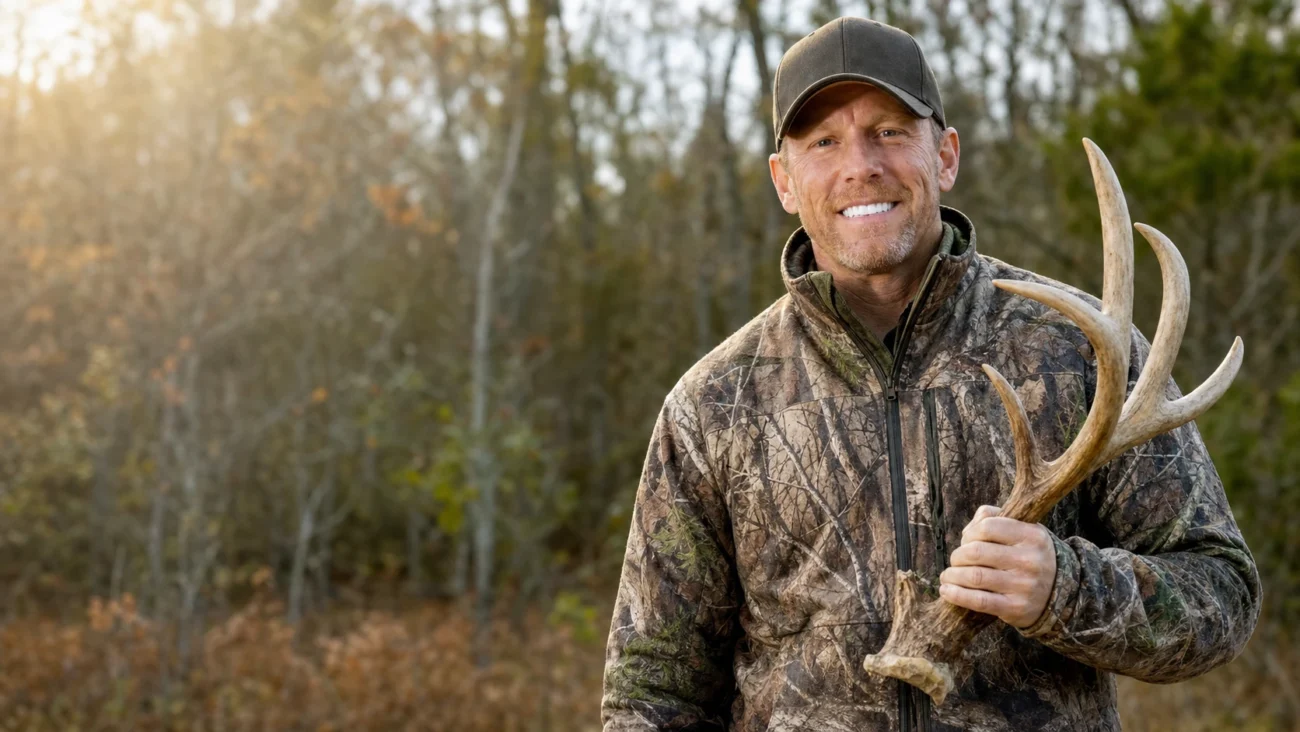
Spook Spann’s net worth is not publicly verified as of August 23, 2026. Websites have published figures ranging from hundreds of thousands of dollars to many millions, but no credible public record reviewed establishes William A. “Spook” Spann’s assets, debts, business equity, investment holdings or other information needed to calculate his personal fortune.
What can be documented is how Spann built a commercially meaningful career. A 2013 federal court order described his television operation, Spook Nation, as receiving “substantial income” from hunting-industry sponsors. Historical reporting also connects him with hunting-property investment and Big Buck Properties, while his current work through The 11th Commandment includes outdoor media, brand partnerships and land-management services. Those activities establish sources of income and business involvement, but they do not establish a defensible net-worth figure.
Spann is William A. “Spook” Spann, a Tennessee professional hunter and outdoor-media personality born on October 31, 1962. He became widely known through trophy hunting and Spook Nation before moving into his current media and land-focused work.
Key takeaways
- Spook Spann’s exact net worth is not publicly verified as of August 23, 2026.
- Federal records document substantial sponsorship income from Spook Nation, but disclose no dollar amount.
- Spann was reported as a Big Buck Properties partner in 2010 and has a documented history involving hunting land and real-estate development.
- He remains publicly active through The 11th Commandment, which operates in outdoor media, partnerships and land management.
- Online estimates claiming specific fortunes are too poorly supported—and in some cases refer to entirely different people or invented entities—to form a reliable estimate.
Spook Spann profile summary
| Detail | Verified information |
|---|---|
| Full name | William A. “Spook” Spann |
| Born | October 31, 1962 |
| Public role | Professional hunter, outdoor-media personality and businessman |
| Best known for | Spook Nation |
| Historical business connection | Big Buck Properties partner, reported in 2010 |
| Current project | The 11th Commandment with Brian Stephens |
Why there is no reliable Spook Spann net worth figure
A credible net-worth calculation requires more than knowing that someone owns property, runs a business or has earned sponsorship income. Net worth is essentially the value of assets and ownership interests after liabilities are deducted.
For Spann, the public record does not provide a complete picture of either side of that equation. There is no verified disclosure showing his current cash and investments, the value and ownership structure of his businesses, his current property equity, outstanding mortgages or other debts.
That makes published figures such as $1 million, $2 million or substantially higher numbers impossible to validate responsibly.
Some of the problem goes beyond ordinary estimation. Search results for Spann have become contaminated with pages describing supposed MMA connections, a musician, a finance creator and even a failed e-commerce business under the same name. Those descriptions do not match the William A. Spann established by federal records and decades of hunting-industry coverage.
The useful question, therefore, is not which unsupported number looks most plausible. It is what reliable evidence shows about how Spook Spann made money.
How Spook Nation became a source of income
Spann’s best-documented commercial venture is Spook Nation.
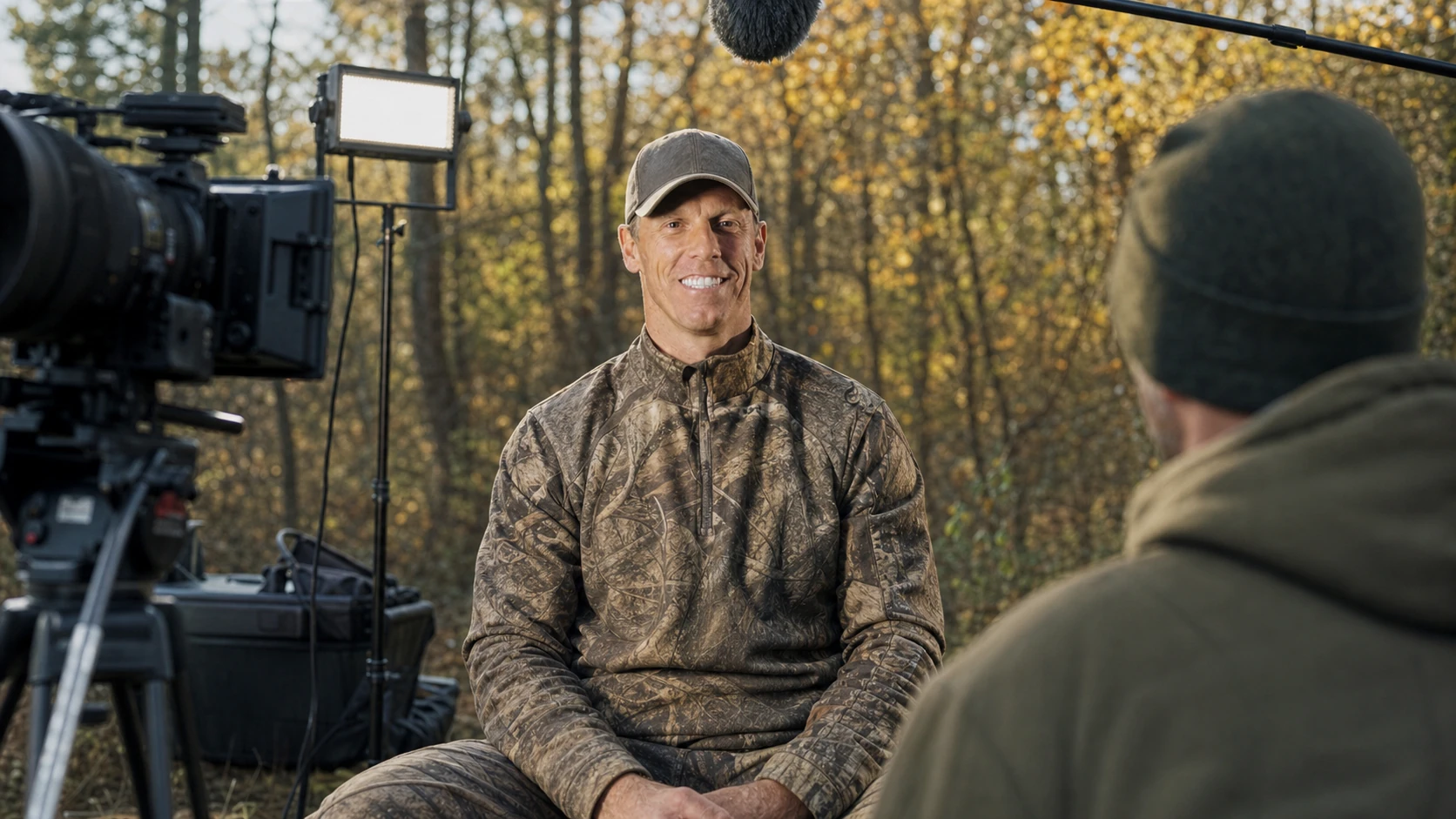
According to the 2013 District of Kansas court order, Spann had been self-employed as a professional hunter since approximately 2007 or 2008 and was involved in multiple business ventures. The record says Spook Nation began around 2009 and was distributed twice weekly through nationally syndicated cable outlets.
The business model is particularly revealing. Rather than simply being paid a conventional television salary, Spann purchased airtime and generated money through sponsors connected with the hunting industry. The court described that sponsorship revenue as “substantial income” and said it exceeded losses Spann claimed from his hunting activities.
That is unusually strong evidence for a private individual’s historical earning model because it comes from a judicial record rather than a celebrity-wealth website.
It still leaves one important gap: the court never disclosed the actual amount of sponsorship income. It therefore supports the conclusion that Spook Nation was a meaningful commercial operation, but not a calculation of Spann’s personal wealth.
A 2012 PSE Archery interview also fits that picture. Spann described intentionally pursuing PSE as a sponsor when building the television show. The source was itself a sponsor and is therefore commercial rather than independent evidence, but it helps explain how sponsorship became part of the Spook Nation business model.
Hunting land and Big Buck Properties
Land has been another recurring part of Spann’s public career.
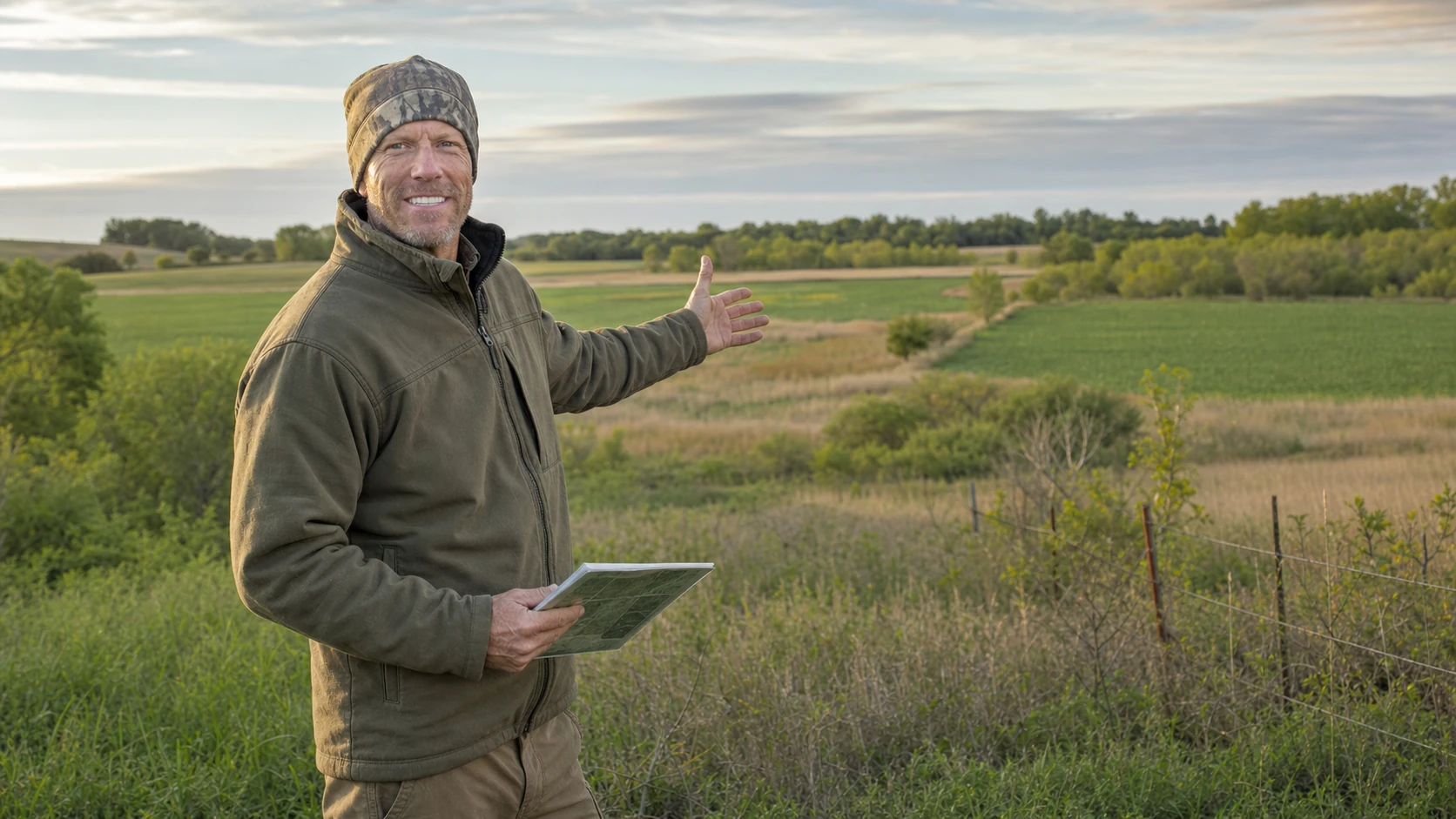
A 2010 North American Whitetail profile reported that Spann began looking for hunting property in Kansas in 2006 and purchased a 160-acre tract in early 2007. He developed habitat and food plots on the property as part of his hunting strategy.
The same article identified him at the time as a partner in Big Buck Properties, a business described as purchasing desirable hunting tracts across North America.
This matters to the net-worth question because it documents genuine involvement in property rather than simply assuming that a television hunter must have invested in land. However, the date matters just as much. The reporting establishes his Big Buck Properties connection in 2010; it does not establish his ownership percentage or whether that position continues unchanged in 2026.
Nor can the value of a hunting property simply be counted as personal wealth. A property’s market price does not reveal its mortgage balance, co-ownership arrangements, acquisition costs or whether it has since been sold.
Real-estate development beyond hunting land
Spann’s public business identity has also extended beyond recreational hunting property.
A December 2025 episode of the 1 Rental to Freedom podcast presented him as a real-estate developer and framed the discussion around subdivisions, commercial strip centers and recreational-property development. The episode also connected his business background with a family history in the sawmill business.
That interview is useful evidence that real-estate development remains part of the way Spann publicly describes his career. It is not, however, a substitute for deeds, company filings or transaction records.
Without verified purchase prices, ownership percentages, financing and sale proceeds, individual development projects cannot responsibly be converted into additions to his personal net worth.
The hunting career behind the business
Long before Spook Nation became Spann’s defining media brand, hunting was already a major part of his public life.
A 2004 Seattle Post-Intelligencer report identified him as William “Spook” Spann of White Bluff, Tennessee, and reported that his nickname dated to his birth on Halloween 1962. The newspaper covered an extraordinary hunting expedition in Kyrgyzstan involving Spann and his father, Dennis Spann, in which a rescue helicopter crashed. Both Spanns survived; two people died.
The report demonstrates that Spann was already participating in international hunting well before his later television prominence. It also described father and son as businessmen, although it did not provide enough financial information to establish either man’s wealth.
A more consequential moment in Spann’s public hunting career came on November 14, 2007, when he took a large whitetail in Stafford County, Kansas. North American Whitetail later reported a gross non-typical measurement of 230 3/8 inches. The hunt became widely circulated outdoor-media material and contributed to his profile in the hunting world.
It also eventually became connected to the most significant legal episode of his career.
The Kansas case and its financial consequences
The 2007 Kansas hunt later resulted in a federal wildlife case because Spann had not obtained the required Kansas hunting license before taking the deer and subsequently transported its antlers to Tennessee.
Spann pleaded guilty on November 27, 2012, to a federal Lacey Act misdemeanor. On February 28, 2013, he received three years of probation, a $10,000 fine, $10,000 in restitution and a six-month prohibition on hunting in the United States. The Justice Department’s case record confirms the sentence and financial penalties.
Later in 2013, the federal court found probation violations. It ordered 30 days of intermittent federal custody—structured around nights, weekends or other approved periods—and extended Spann’s hunting prohibition worldwide through August 1, 2014.
For a professional hunter whose television operation depended on hunting content and industry sponsors, that restriction had obvious business relevance. Importantly, this is not merely an inference drawn years later: the court itself referred to the “likely financial ramifications” of extending the hunting prohibition.
No reliable evidence establishes exactly how much income Spann lost because of it. The episode nevertheless represents one of the few documented events that can be directly connected to a potential change in his earning ability.
The fines should not be used as ingredients in a net-worth calculation either. A $10,000 fine and $10,000 restitution order document legal obligations at a particular time; they reveal almost nothing about a person’s overall financial position.
What Spook Spann does now
Spann has not disappeared from outdoor media.
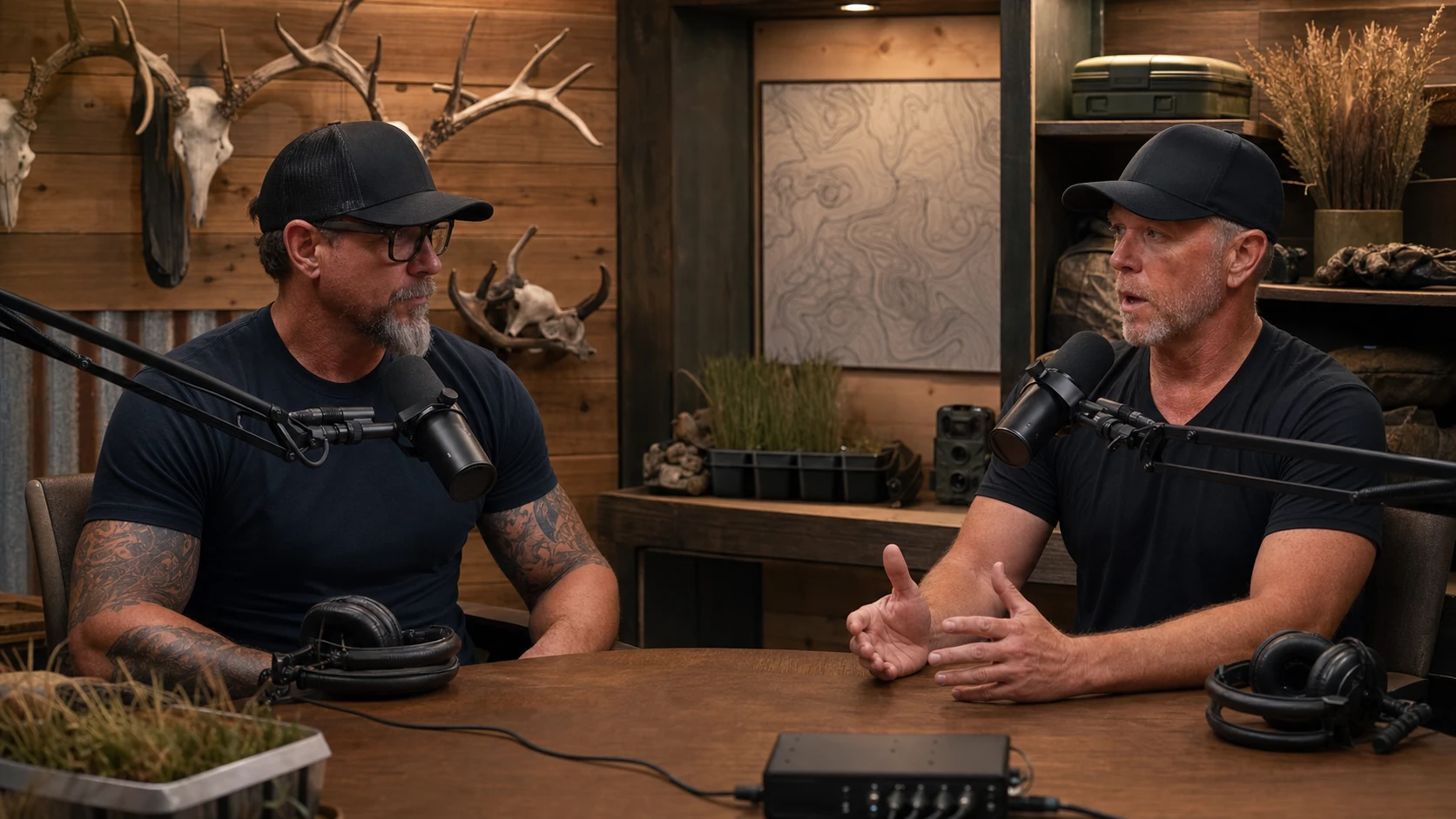
As of August 23, 2026, the official The 11th Commandment site identifies Spann and Brian Stephens as the project’s founders and hosts. Its work spans hunting-focused media and podcast content as well as commercial partnerships.
The platform advertises opportunities including branded content, product integration and appearances. A separate official page promotes land-management services, connecting Spann’s present work with the land and habitat-management themes visible much earlier in his career.
Podcast listings show The 11th Commandment active during 2025 and 2026. That establishes ongoing public and commercial activity, but it does not disclose the operation’s revenue, profitability or Spann’s personal share of any income.
His current platform also presents his work in broader terms than simply accumulating trophies, with Spann discussing hunting alongside family, friendship, faith and legacy. That gives his current public role a somewhat different emphasis from the television-centered Spook Nation years.
Why the online estimates are misleading
The wide range of Spook Spann net-worth claims might suggest that several analysts reached different conclusions. The evidence does not support that interpretation.
One site has placed his fortune around $1 million to $2 million without producing the underlying assets and liabilities necessary to justify the figure. Another has published roughly $2 million while incorrectly calling him John “Spook” Spann and attaching unsupported investment claims to him.
More extreme pages have described a supposed Spook Spann as a multimillionaire musician, finance personality or other unrelated figure. Another page attached the name to what it described as a failed e-commerce company.
Federal court records, contemporary reporting and Spann’s current public platform instead consistently point to the same person: William A. “Spook” Spann, the Tennessee professional hunter and outdoor-media figure.
This level of identity confusion makes repeating a numerical “consensus estimate” particularly misleading. There is no reliable consensus to average.
What can responsibly be said about his finances
The evidence supports several conclusions without requiring speculation.
Spann built a business around hunting media in which sponsorships were an important revenue engine. He acquired hunting property and was publicly identified with Big Buck Properties. Later accounts continue to associate him with real-estate development, while his present platform combines outdoor content, commercial partnerships and land-management work.
Together, those facts show multiple ways Spann has earned or pursued income over his career.
They do not disclose how much of that income he retained, what his businesses are worth, how much property equity he presently owns, or what liabilities offset his assets. Until those pieces are documented, presenting any precise personal-fortune figure would give readers more certainty than the evidence allows.
Conclusion
Spook Spann’s public record supports a substantial career story, but not a reliable net-worth number. From sponsor-backed Spook Nation television and hunting-property activity to real-estate development and The 11th Commandment, his documented work shows several commercial channels without revealing his complete personal finances.
As of August 23, 2026, the defensible answer is therefore straightforward: Spook Spann’s exact net worth is not publicly known. The stronger evidence explains how William A. “Spook” Spann built businesses around hunting, media and land; it does not support turning those activities into an invented multimillion-dollar total.
